01 · Foundation
The Wedding Venue
Your Photo Herevenue-photo.jpg

The venue is the single decision every other decision depends on. It sets the guest capacity, dictates the season and weather considerations, establishes the aesthetic baseline the rest of the design either matches or contrasts against, and practically speaking usually consumes the largest single share of the wedding budget, commonly a quarter to a third of total spend and often more in major metropolitan markets. Choosing a venue is rarely just choosing a pretty room; it is choosing the physical container that will hold every other choice a couple makes.
Couples value the venue because it is the thing guests actually remember walking into the light through a barn's rafters, the hush of a cathedral, the ocean beyond a cliffside lawn. A well-chosen venue does emotional work before a single vow is spoken, cueing guests into the tone of the day: formal or relaxed, intimate or grand, traditional or unconventional. It also solves an enormous number of logistical problems at once parking, accessibility, weather contingency, and vendor access which is why couples so often say the venue was the first booking that made the wedding feel real.
Popular categories have diversified well beyond the traditional ballroom or church: restored barns and working farms, botanical gardens and greenhouses, industrial lofts and warehouses, vineyards, historic estates, museums and art galleries, and restaurant buyouts for couples who want an intimate, food-forward celebration. A significant and growing share of couples now choose all-inclusive venues that bundle catering, rentals, and coordination into a single contract specifically to reduce the number of vendors they must manage independently a direct response to how overwhelming vendor coordination can otherwise become.
02 · Nourishment
Catering & Menu
Your Photo Herecatering-photo.jpg

Catering covers the food service for the entire event cocktail hour appetizers, the plated or buffet main meal, late-night snacks, and increasingly, food that reflects the couple's heritage or personal story rather than a generic banquet menu. Alongside the venue, catering represents the other half of what industry data consistently identifies as the largest combined budget category, frequently 40 to 50 percent of total spend when bar service is included.
Food occupies a strange and important place in wedding memory: guests may forget the centerpieces within a year, but they remember whether they were hungry, whether the meal felt generous, and whether at least one dish genuinely surprised them. Couples increasingly treat the menu as a storytelling opportunity a family recipe reimagined by a caterer, a dish from the place they first met, a nod to a grandparent's country of origin because food carries emotional and cultural meaning that a centerpiece cannot.
Current trends favor interactive and personalized formats over rigid plated service: food stations built around a theme (a raw bar, a pasta station, a global street-food lineup), family-style service that encourages conversation, and dedicated late-night bites mini burgers, pizza, or a donut wall timed to catch the second wind of a dancing crowd. Dietary accommodation has also become a baseline expectation rather than a special request, with most caterers now building vegetarian, vegan, gluten-free, and allergen-aware options directly into the standard menu.
03 · Sweetness
Wedding Cake & Desserts
Your Photo Herecake-photo.jpg

The wedding cake is one of the oldest surviving wedding traditions in Western culture, tracing back to Roman customs of breaking bread over the bride's head for fertility and evolving, by the Victorian era, into the tiered, iced confection recognizable today. Functionally, it is dessert; ceremonially, it is the centerpiece of one of the wedding's most photographed rituals the cake cutting, traditionally the first task the couple completes together as a married pair, followed by feeding each other a bite as a small act of mutual care.
Couples value the cake cutting because it is a built-in, low-stakes moment of shared physical action in a day otherwise full of speeches and standing still it gives guests something to gather around and photograph, and it gives the couple a genuinely fun beat rather than another formal ritual. The cake itself, meanwhile, functions as edible design: its shape, texture, and flavor become part of the day's overall aesthetic story.
The single biggest shift in this category has been the rise of the dessert table alongside, or instead of, one large cake allowing couples to offer a smaller ceremonial cake for the cutting photo while giving guests a wider spread of pies, macarons, cupcakes, or a groom's cake reflecting a personal hobby or interest. Naked and semi-naked cakes (with minimal exterior frosting, showing the cake layers) and cakes decorated with fresh, in-season flowers remain especially popular for couples pursuing a natural, garden-inspired aesthetic.
04 · Bloom
Florals & Floral Design
Your Photo Hereflorals-photo.jpg

Floral design covers everything from the bridal bouquet and boutonnieres to ceremony arch arrangements, aisle décor, and reception centerpieces. Flowers typically account for eight to ten percent of the total wedding budget, but their visual impact on photographs and in-person atmosphere is disproportionate to that share florals are often the single element most responsible for a venue's transformation from an empty room into a wedding.
Couples value flowers for reasons that go beyond decoration: specific blooms carry inherited symbolic meaning (roses for love, peonies for prosperity and a happy marriage, orange blossoms for fertility and eternal love), and many couples choose flowers connected to a family member, a first-date bouquet, or a meaningful season. Scent, texture, and color together do enormous atmospheric work the difference between a wedding that feels crisp and modern versus lush and romantic is very often a floral decision more than any other single choice.
Sustainability and locality have reshaped floral trends significantly: locally grown, seasonal flowers sourced from small farms have gained ground over imported blooms, both for their lower environmental footprint and their more distinctive, less uniform look. Dried and preserved florals have surged in popularity for their longevity (some couples now preserve their bouquet after the wedding as a keepsake), and a move toward wilder, garden-style arrangements asymmetrical, textural, less formally structured has largely displaced the tightly domed centerpieces of a decade ago.
05 · Memory
Wedding Photography
Photography is, for most couples, the single vendor category with the longest emotional shelf life every other element of the wedding is temporary, but the photographs are what the couple, their children, and their grandchildren will actually experience of the day decades later. This is why photography commands a substantial and often non-negotiable share of the budget, typically somewhere in the ten to fifteen percent range, and why couples frequently rank it among their two or three highest planning priorities regardless of overall budget size.
Beyond simple documentation, a skilled wedding photographer manages an enormous amount of invisible work: reading a fast-moving, emotionally charged day well enough to be in the right place at the right moment without disrupting it, directing formal portraits efficiently enough not to eat into reception time, and capturing candid, unposed moments a father's expression during the first dance, a friend's laugh mid-toast that couples often say they treasure even more than the posed portraits.
Style preferences have shifted markedly toward documentary and candid photojournalism over heavily posed, formal portraiture, though most couples still want a dedicated portrait session for the two of them. First-look sessions (a private moment before the ceremony where the couple sees each other for the first time) have grown popular both for the emotional photograph they produce and for the scheduling flexibility they create, since portraits can then happen before the ceremony rather than stealing time from cocktail hour.
06 · Motion
Wedding Videography
Videography captures what still photography cannot: the actual sound of vows breaking with emotion, the exact rhythm of a first dance, the toast that had the whole room laughing. Once considered an optional luxury layered on top of photography, video has become a mainstream and frequently bundled expectation, typically representing a meaningful slice of the same ten-to-fifteen-percent range often allocated jointly to photo and video together.
Couples increasingly value video because it preserves things that no photograph can: voice, movement, ambient sound, the specific cadence of a ceremony as it was actually spoken. For couples with family members who could not attend in person, video also serves as the closest possible substitute for having been there. A well-edited highlight reel, typically three to seven minutes, has become one of the most-rewatched pieces of media a couple owns from their entire wedding.
The format has diversified considerably: same-day edits (a short highlight video shown to guests during the reception itself), full-length ceremony and speech recordings for archival purposes, and short-form vertical highlight clips built specifically for sharing on social platforms have all become standard offerings alongside the traditional cinematic highlight film. Drone footage of the venue and surrounding landscape has also become a popular and relatively affordable way to add cinematic scale to a wedding film, and many couples now request raw, unedited ceremony footage in addition to the polished highlight reel, specifically so no spoken word is ever lost to editing.
07 · Rhythm
Music & Entertainment
Your Photo Heremusic-photo.jpg

Music sets the emotional pacing of the entire event a different, deliberately chosen sound for the ceremony processional, the cocktail hour, dinner, and the dance floor, each calibrated to a different energy level and purpose. Entertainment typically claims eight to twelve percent of the total budget, whether that spend goes toward a DJ, a live band, or increasingly, a combination of both for different segments of the day.
Couples consistently rank entertainment among the factors most likely to make or break a guest's actual experience of the reception: exceptional food and décor can go unnoticed if the room feels flat, while a dance floor that stays full late into the night is what most guests describe as "a great wedding" after the fact. A good DJ or bandleader does far more than play requests they function as an informal master of ceremonies, reading the room's energy in real time and adjusting the set list, announcements, and pacing accordingly.
Live bands remain the higher-cost, higher-impact choice for couples who prioritize the visceral energy of live performance, while DJs offer broader song catalogs, tighter budgets, and more flexible format options, including hybrid sets that blend curated playlists with live MC work. A growing number of couples now also book a separate ceremony musician a string quartet, a solo guitarist, or a vocalist distinct from their reception entertainment, treating the ceremony's musical atmosphere as its own design decision rather than an afterthought.
08 · Presentation
Wedding Attire
Your Photo Hereattire-photo.jpg

Wedding attire the gown, the suit or tuxedo, and the accessories that complete each is one of the most personal and most photographed elements of the entire day, typically representing five to eight percent of total budget once alterations, accessories, and both partners' outfits are included. Unlike almost anything else in the wedding, attire is worn on the body for the entire event, which makes fit, comfort, and personal expression matter as much as visual style.
Couples value their attire because it is, in a very direct sense, how they present themselves to be witnessed at the most significant moment of the day it is simultaneously a costume for a once-in-a-lifetime role and a deeply personal style statement. The reveal moments built around attire a first look, walking down the aisle, a dramatic entrance are consistently among the most emotionally charged and heavily photographed moments of the entire event.
Trends have moved toward greater personal expression and away from rigid convention: colored and non-traditional gowns, separates (a top and skirt worn independently), and a second reception-specific outfit for easier dancing have all grown popular among brides, while grooms increasingly opt for colored or patterned suits, textured fabrics, and personalized details like embroidered dates or initials rather than a uniform black tuxedo. Sustainability has also entered attire decisions, with rental gowns, heirloom alterations, and resale markets for worn-once dresses gaining real traction.
09 · Glow
Hair & Makeup (Bridal Beauty)
Your Photo Herebeauty-photo.jpg
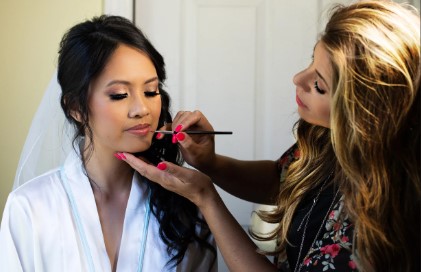
Bridal beauty covers professional hair styling and makeup application for the couple and, frequently, the wedding party a category distinct from attire but tightly connected to it, since the overall look of the day depends on hair, makeup, and clothing working together as a single cohesive image. Beauty services typically fall within the broader five-to-eight-percent attire and beauty allocation, and are almost universally treated as essential rather than optional, given how heavily the wedding day is photographed.
Couples value professional beauty services because wedding-day photography is unusually demanding on skin and styling: flash photography, long hours, tears, humidity, and dancing all test makeup and hairstyling in ways ordinary daily wear never does. A trial run a full rehearsal of hair and makeup weeks before the wedding has become standard practice specifically to avoid day-of surprises and to ensure the final look matches the couple's actual vision rather than a generic bridal default.
The dominant trend of recent years has been a decisive shift toward natural, skin-forward makeup and soft, textured hairstyling over the heavily matte, full-glam looks that were standard a decade ago a preference driven partly by high-definition photography and video, which render heavier makeup less flattering on camera than in person. Getting-ready sessions with hair and makeup artists on-site have also become a valued, frequently photographed part of the morning itself, rather than a purely functional prelude to the day.
10 · Symbol
Wedding Rings
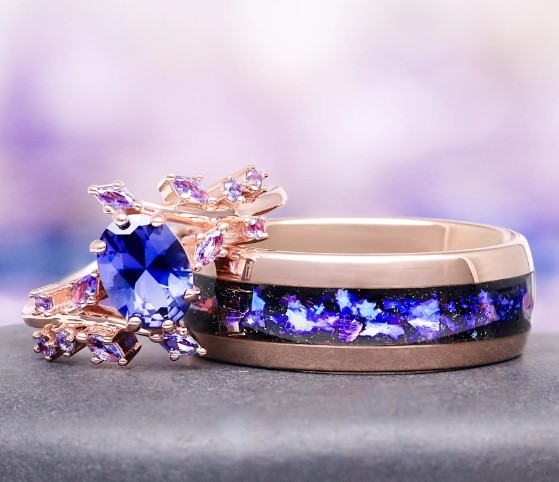
The wedding ring is the most enduring physical artifact of the marriage itself worn daily, often for the rest of a person's life, long after the flowers have wilted and the cake has been eaten. Engagement and wedding rings together represent one of the more significant individual purchases in the wedding process, though unlike venue or catering spend, ring budgets vary enormously by personal priority and are frequently planned and saved for separately from the rest of the wedding budget.
Couples value rings for their permanence and their symbolism: the circle with no beginning or end has represented eternity and unbroken commitment across cultures for millennia, and the custom of wearing the ring on the fourth finger of the left hand descends from an old belief in a "vena amoris," a vein believed to run directly from that finger to the heart. Rings also function as a quiet, constant, daily reminder of the marriage the one piece of wedding-day symbolism that continues working long after the event itself has ended.
Trends in ring design have moved toward greater personalization and away from a single standard style: mixed metals, colored gemstones alongside or instead of traditional diamonds, stackable wedding bands worn alongside an engagement ring, engraved dates or private messages on the interior of the band, and a rising interest in lab-grown diamonds as a more affordable and more sustainable alternative to mined stones.
11 · Invitation
Wedding Invitations & Stationery
Your Photo Hereinvitations-photo.jpg
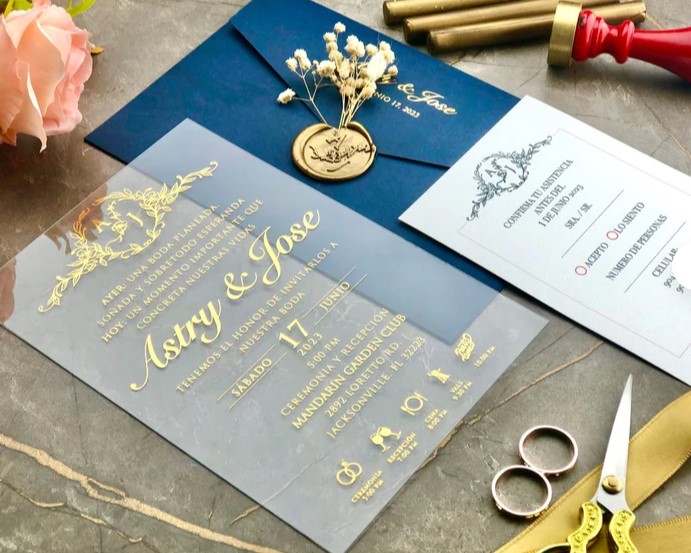
Stationery encompasses save-the-dates, formal invitations, RSVP cards, ceremony programs, table numbers, place cards, and thank-you notes the full paper (or digital) trail that guides a guest from first announcement through the event itself and into the post-wedding follow-up. Though stationery represents a comparatively modest two to three percent of total budget, it is often the very first physical object a guest receives, meaning it sets expectations for the wedding's formality and style well before anyone arrives.
Couples value thoughtfully designed stationery because it functions as a preview and a promise: a heavy, letterpress invitation signals a different kind of event than a casual digital save-the-date, and guests register that signal, consciously or not, when deciding what to wear and how to behave. Stationery is also one of the few wedding elements guests keep as a physical memento long after the event, tucked into a drawer or scrapbook.
Digital wedding websites have become the default hub for detailed logistics schedules, hotel blocks, registry links, RSVP management while printed invitations have, in response, become more purely ceremonial and design-forward rather than logistics-heavy documents. Custom illustration, wax seals, vellum overlays, and hand-calligraphed envelopes remain popular upgrades for couples who want their stationery suite to feel like a genuine keepsake rather than a functional mailer, and many couples now design a matching signage system welcome signs, table numbers, and menu cards so that every printed surface at the wedding echoes the same visual language established by the original invitation.
12 · Atmosphere
Decorations & Design
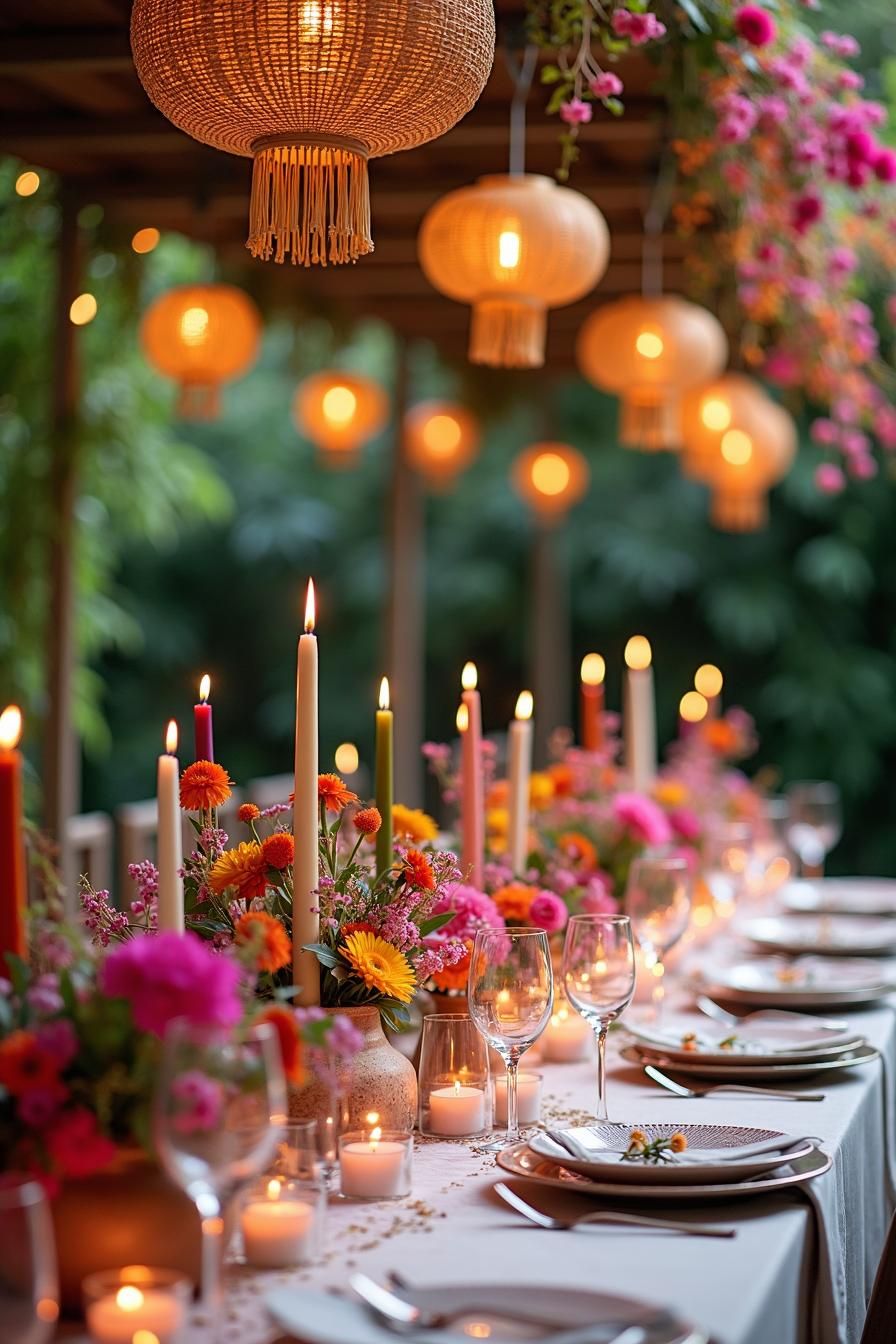
Decorations and overall design encompass everything that transforms a venue's raw space into a specific, intentional atmosphere: linens, tableware, drapery, signage, ceremony backdrops, and the countless small styling choices that together create a coherent visual world. Unlike florals or lighting, which are their own distinct vendor categories, decoration and design is often the connective layer that makes every other visual element flowers, lighting, cake, attire read as belonging to the same event rather than as disconnected parts.
Couples value strong design because it is what makes a wedding feel like theirs rather than like a rental hall's default setup: a couple who loves vintage aesthetics, minimalist modernism, or maximalist color will find that consistent design choices across every surface do more to communicate that identity than any single statement piece could alone. Good design also solves practical problems sightlines, traffic flow, and comfortable seating while still looking effortless.
The most significant recent trend has been a move toward personalization over generic elegance: couples increasingly favor design details that tell a specific story a seating chart shaped like a map of a meaningful place, table names instead of numbers drawn from shared favorites, or textiles and colors pulled from a family heritage rather than the neutral, universally pleasing palettes that dominated wedding design in the previous decade.
13 · Illumination
Lighting
Your Photo Herelighting-photo.jpg
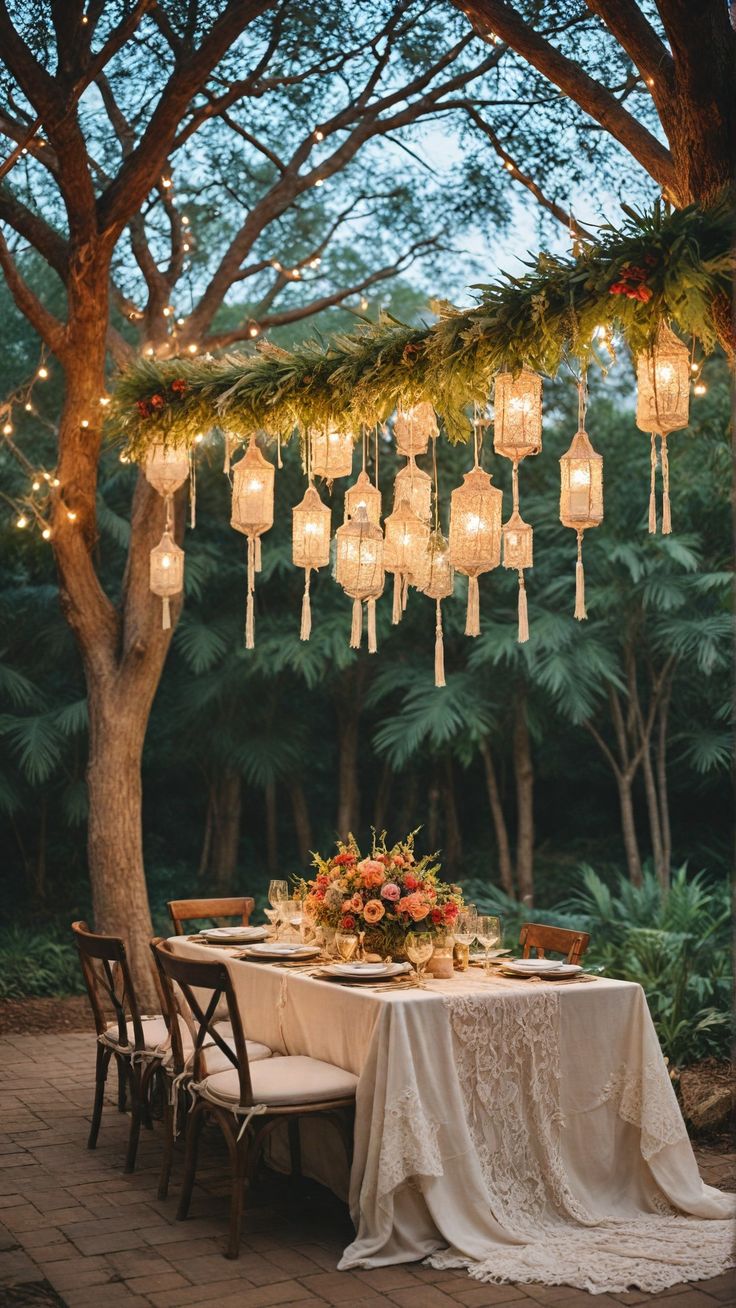
Lighting is frequently the most underestimated element on this list and, according to many photographers and planners, one of the most transformative. The same room, the same flowers, and the same menu can read as flat and forgettable or as warm and unforgettable depending almost entirely on how it is lit a fact experienced planners and photographers cite more often than almost any other single design lesson.
Couples value lighting because it directly shapes mood, and mood is what guests actually remember: string lights and candlelight create warmth and intimacy; uplighting in a couple's chosen colors can transform a plain ballroom into something that feels custom-built for the event; and dance-floor lighting energizes a reception's final hours in a way static lighting cannot. Photography and video also depend heavily on good lighting some of the most striking wedding photographs are the direct product of deliberate lighting design rather than a photographer's skill alone.
Popular approaches now blend layers rather than relying on a single lighting source: ambient string lights or paper lanterns overhead, focused uplighting along walls or tent edges, abundant candlelight at low table height, and a separate, more dynamic lighting rig reserved for the dance floor once dinner concludes. Market lights and bistro-style string lighting have remained a consistently popular choice for outdoor and tented weddings specifically because they read as celebratory without feeling overly formal.
14 · Arrival
Transportation
Your Photo Heretransportation-photo.jpg
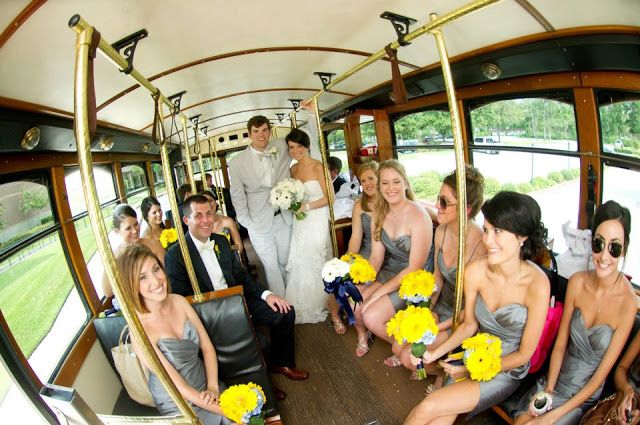
Transportation covers how the couple, the wedding party, and often guests move between the ceremony and reception, and in destination or multi-venue weddings, how everyone gets from lodging to the event itself. It is a comparatively small budget line, but a highly visible one the vehicle a couple arrives in, or departs in, is one of the more photographed and remembered logistical moments of the day.
Couples value well-planned transportation because it removes one of the most common sources of wedding-day stress: guests arriving late, confused about parking, or unable to get from a distant hotel to a rural venue. A classic car, a vintage bus, or simply a well-organized shuttle schedule does real practical work while also adding its own visual character to the day's story the getaway car pulling away trailing cans and ribbon remains one of the most enduring wedding images across cultures.
Beyond the couple's own transportation, many couples now provide organized guest transportation shuttle buses between hotel blocks and the venue both as a hospitality gesture and as a practical safeguard that allows guests to drink and celebrate without worrying about driving. For destination and outdoor weddings especially, confirming transportation logistics well in advance has become a standard, non-negotiable part of the planning checklist rather than an afterthought, and couples increasingly build a printed or digital transportation schedule into their wedding website so that out-of-town guests never have to guess when a shuttle departs.
15 · Play
Photo Booths
Your Photo Herephotobooth-photo.jpg

The photo booth has evolved from a novelty rental into one of the most consistently requested guest-experience additions at modern weddings a dedicated, often playfully decorated station where guests can take spontaneous, unscripted photos throughout the reception, frequently with props, backdrops, or themed frames tied to the couple's wedding design.
Couples value photo booths because they generate an entirely different category of memory than formal photography: candid, silly, unguarded moments between guests who might otherwise never end up in the same photograph an aunt and a college roommate, two cousins meeting for the first time. Many couples also treat the photo booth as a built-in guest favor, since prints are typically handed out on the spot, giving guests a tangible souvenir to take home the same night.
Formats have expanded well beyond the traditional curtained booth: open-air setups with elaborate backdrops, 360-degree video booths that produce short slow-motion clips for social sharing, roaming photographers with instant-print cameras who move through the crowd, and digital booths that text or airdrop photos directly to guests' phones. A growing number of couples also request a printed copy of every photo booth image be collected into a guest book, effectively merging two guest-experience elements into one keepsake a small but popular design choice that gives the couple a single object holding both the images and the handwritten notes guests left alongside them.
16 · Gratitude
Wedding Favors
Your Photo Herefavors-photo.jpg

Wedding favors are small parting gifts given to guests as a token of appreciation for attending and celebrating with the couple a tradition with roots stretching back centuries to the bonbonnière, small boxes of sugared almonds once given by European nobility to symbolize the bitter and sweet aspects of marriage. Favors represent one of the smaller line items in a typical wedding budget, but their symbolic weight as a gesture of hospitality outweighs their modest cost.
Couples value favors as a final, tangible expression of gratitude a way of thanking guests, many of whom traveled significant distances and invested real time and money to attend, for being part of the day. A well-chosen favor also extends the wedding's story slightly beyond the event itself, giving guests something they associate with the couple specifically rather than a generic parting gift.
The strongest current trend is toward consumable, useful, or locally meaningful favors over decorative trinkets that often go unused: local honey or hot sauce, a mini bottle of the couple's favorite spirit, seed packets or small potted plants, or a charitable donation made in guests' honor. Personalized and edible favors a couple's signature cocktail recipe printed on a small card, a favorite family treat packaged individually have also grown popular precisely because they tie the gift back to the couple's own story rather than existing as a generic add-on.
17 · Record
Guest Books & Keepsakes
Your Photo Hereguestbook-photo.jpg
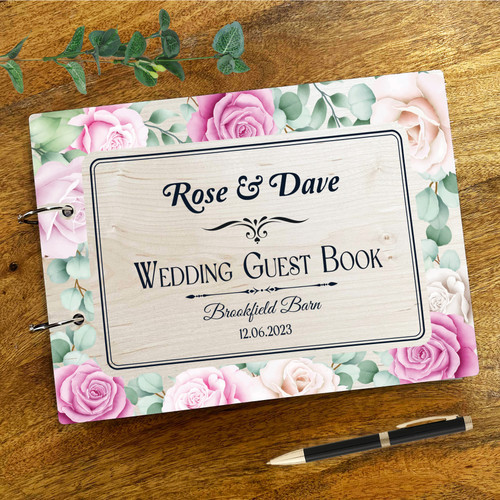
A guest book is a place for attendees to leave a written message, well-wish, or piece of advice for the couple, traditionally a bound book signed near the entrance or reception, though the format has expanded considerably in recent years to include far more creative and interactive alternatives to a simple signature page.
Couples value the guest book because it captures something photography cannot: the actual words, in the actual handwriting, of the people who loved them enough to be there a keepsake that tends to become more meaningful with time, particularly once older relatives are no longer living to leave new messages. Unlike most wedding elements, which are experienced primarily during the event, the guest book is designed to be revisited for years afterward.
Alternative formats have largely displaced the traditional signature book for many couples: a large-format print or map that guests sign directly, a collection of Polaroid photographs paired with handwritten notes, a wooden guest book guests sign with a wood-burning pen for durability, or a stack of blank postcards guests fill out and mail to the couple's future address at a later date, arriving as a surprise well after the wedding itself. Some couples now forgo a written book entirely in favor of a recorded audio or video guest book, where guests leave a short spoken message in a booth or on a phone a format that preserves tone of voice and laughter in a way no handwriting ever could.
18 · Orchestration
Wedding Planners & Coordinators
Your Photo Hereplanner-photo.jpg
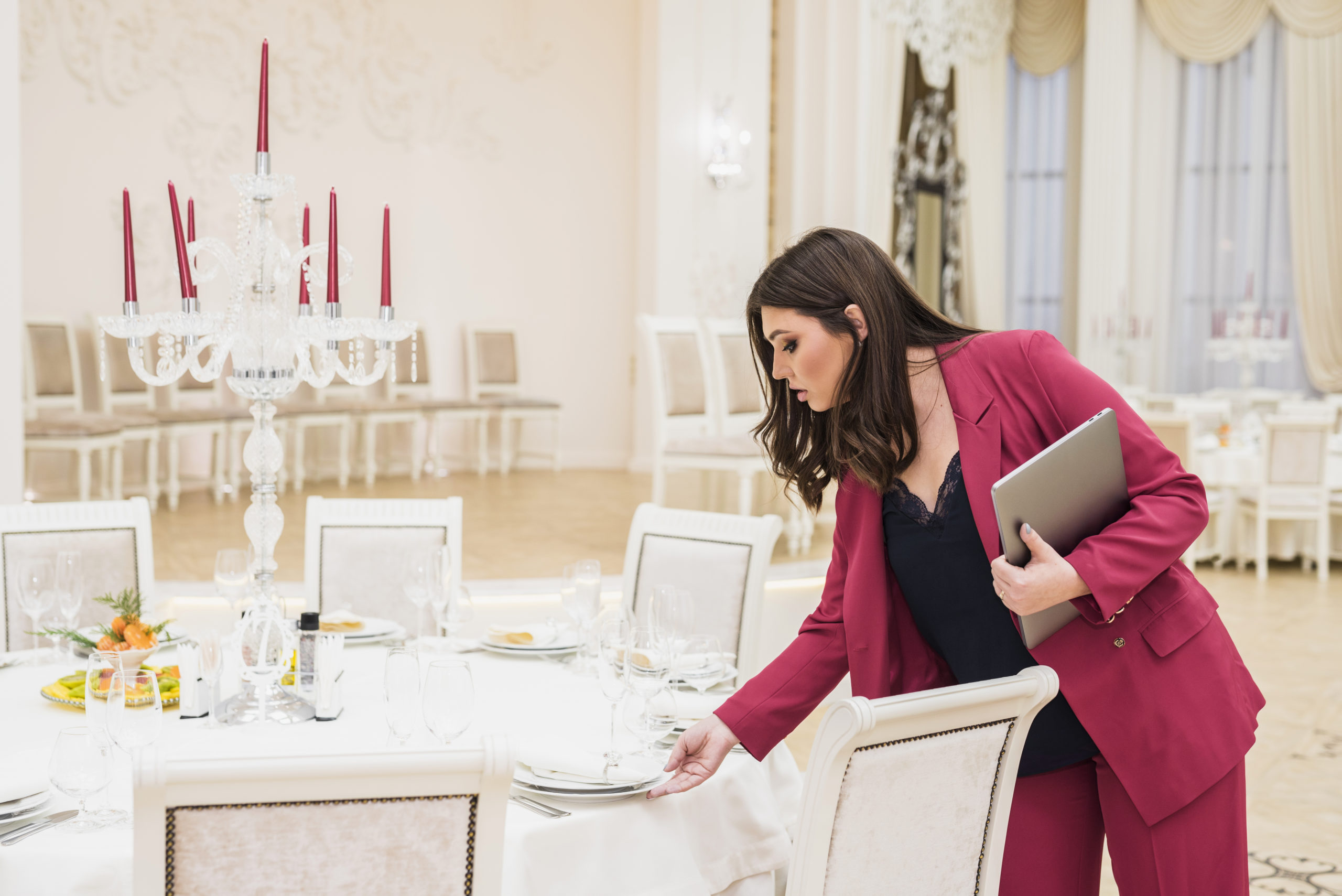
Wedding planners and coordinators range from full-service planners who manage every decision from the earliest engagement through the final send-off, to month-of or day-of coordinators hired specifically to execute a plan the couple has already built themselves. Their fee structure varies enormously by service level, but even couples with modest budgets increasingly view at least a day-of coordinator as a near-essential line item rather than a luxury.
Couples value planners because weddings involve an unusually large number of simultaneous moving parts a dozen or more vendors, a detailed timeline, family dynamics, and countless small decisions and a professional coordinator absorbs the mental and logistical load that would otherwise fall on the couple and their families on the one day they most need to simply be present. The most commonly cited value of a day-of coordinator, specifically, is that it allows the couple's parents and wedding party to actually enjoy the event rather than functioning as unpaid staff.
The clearest trend in this category is the rise of the month-of or "partial" planning package as a middle option between full-service planning and no professional help at all giving budget-conscious couples who enjoy the creative planning process access to a professional's execution expertise for the final, highest-stakes stretch, typically the last four to six weeks before the wedding, without paying for a planner's full-year involvement.
19 · Ceremony
Officiants & Ceremony Leadership
Your Photo Hereofficiant-photo.jpg

The officiant leads the actual legal and ceremonial act of marriage the one vendor role without which no wedding, however elaborately planned, results in a legal marriage at all. Officiants may be clergy from an established religious tradition, a judge or court official for a civil ceremony, or, increasingly, a friend or family member ordained specifically for the occasion through an organization that offers free or low-cost online ordination.
Couples value a strong officiant disproportionately to what the role typically costs, because the officiant is the one person in the entire event whose words and presence directly shape the ceremony's actual meaning everyone else builds the setting; the officiant delivers the substance. A ceremony led with warmth, clear preparation, and genuine attention to the couple's actual story is consistently what guests describe as the most moving part of the day, more often than any reception element.
The most significant shift in this category has been the rise of the personally chosen, often newly ordained officiant a close friend or family member over a default religious or civil official, driven by couples' desire for a ceremony led by someone who genuinely knows them. This shift has, in turn, increased demand for officiant preparation resources: ceremony-writing guides, legal requirement checklists by state or country, and rehearsal support, since a beloved but inexperienced officiant benefits enormously from the same structural guidance a professional would already carry.
20 · Afterward
Honeymoon Planning
Your Photo Hereofficiant-photo.jpg

The honeymoon is the trip immediately following the wedding, traditionally understood as the couple's first extended time together as a married pair, and one of the oldest continuously practiced wedding traditions early versions of the custom, dating back centuries, often involved a period of seclusion for the newly married couple rather than travel for its own sake.
Couples value the honeymoon as a deliberate transition a buffer between the intensity of wedding planning and the return to ordinary life, and often the first real rest either partner has had in months. It also functions as its own significant memory-making event, frequently ranking among a couple's most treasured shared experiences precisely because it is unstructured and private in a way the wedding itself, surrounded by guests, cannot be.
Honeymoon funds registries that let guests contribute cash toward specific trip experiences rather than physical gifts have become a mainstream registry option, reflecting both the rising average cost of travel and a broader shift toward experience-based gifting among modern guests. Mini-moons (a short trip taken immediately after the wedding, with a longer honeymoon deferred to a later, less exhausted date) have also grown popular among couples who want a break without the pressure of planning a full-scale trip on top of an already demanding wedding season, and many couples now split the difference deliberately a short, low-effort mini-moon right after the wedding, followed by a more ambitious trip planned for a full year or an anniversary later on.